
 Donate
2025
Potomac Dialogue
2025 Theme
Bridging the Divide: The Vital Role of the Asia Pacific in Global Security and Economic Stability
The Asia-Indo-Pacific is set to define the 21st century. As a hub of economic dynamism, innovation, and trade, its stability and prosperity are essential to global security and equitable development. Yet, the region faces complex challenges, including territorial disputes and potential military escalation. Economic security, ensuring uninterrupted flows, is key to mitigating conflict. The Potomac Dialogue, hosted annually by the Center for Asia Pacific Strategy (CAPS) in Washington, D.C., provides a critical forum for pragmatic, solution-oriented engagement. By fostering deeper understanding and actionable insights, these dialogues equip stakeholders to navigate the region’s complexities and advance shared prosperity.
Thursday, October 16 2025
8:00
Registration / Coffee & Pastries
8:30 – 9:15
Opening Session
- Opening Address
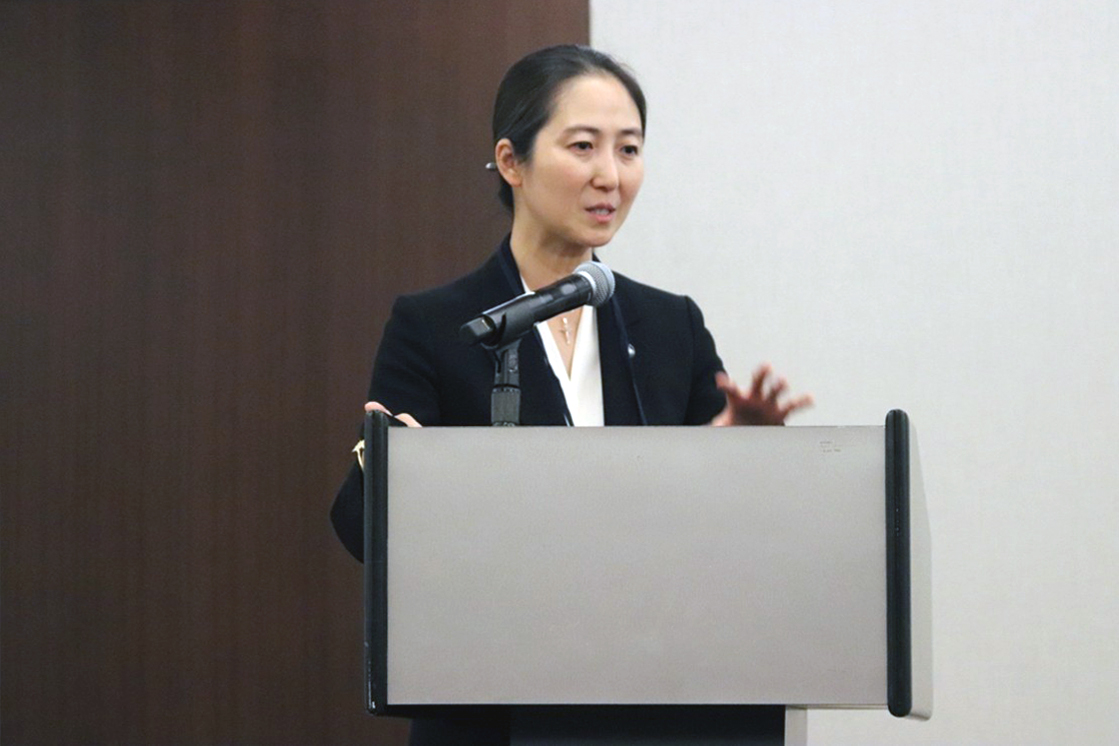
- Ms. Hee-Eun Kim, President & CEO, Center for Asia Pacific Strategy
- Keynote Address
- H.E. Nguyen Quoc Dzung, Ambassador Extraordinary and Plenipotentiary of the Socialist Republic of Vietnam to the United States of America, Chairman of the ASEAN Committee in Washington D.C.
9:20 – 10:50
Session I: “Economic Cooperation and the Asia Pacific”
- Moderator: Dr. Tracey German, Professor of Conflict and Security in the Defense Studies Department, KCL & Senior Associate Fellow at Royal United Service Institute
- Distinguished Panel:
- Mr. Pierce Scranton, Head of Institutional Relations (North America) and Deputy Head of North America, TEMASEK, Washington, DC
- Mr. Matthew Lengerich, Executive General Manager, Jervois
- Mr. Michael McKeon, Director of Government Affairs, ASML
- Dr. Rebecca Harding, CEO of the Centre for Economic Security, London
- Mr. Marc Mealy, Executive Vice President & Chief Policy Officer, US-ASEAN Business Council
10:50 – 11:05
Scheduled Break
11:05 – 12:35
Session II: “Food Security and Supply Chain Resilience”
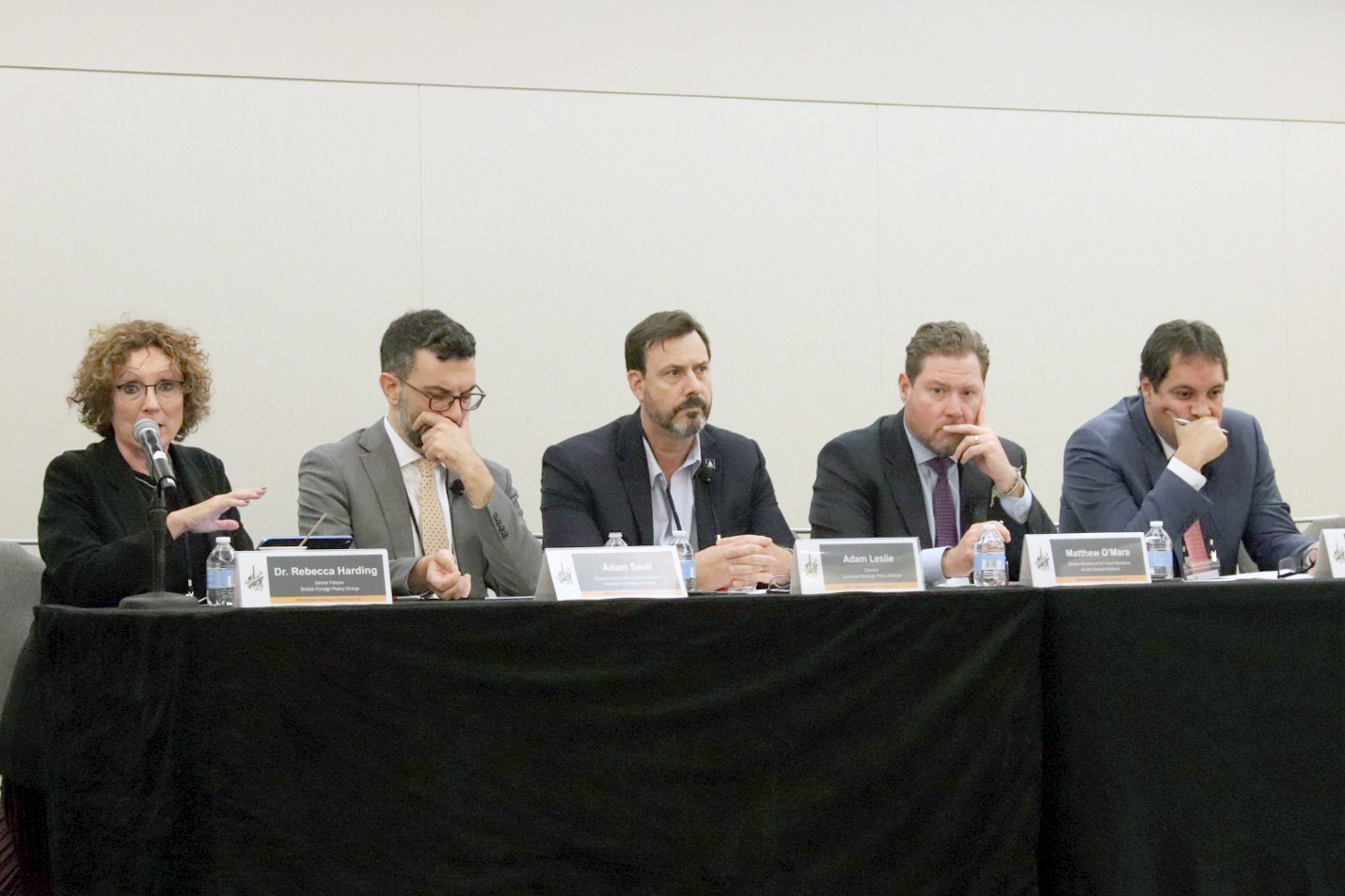
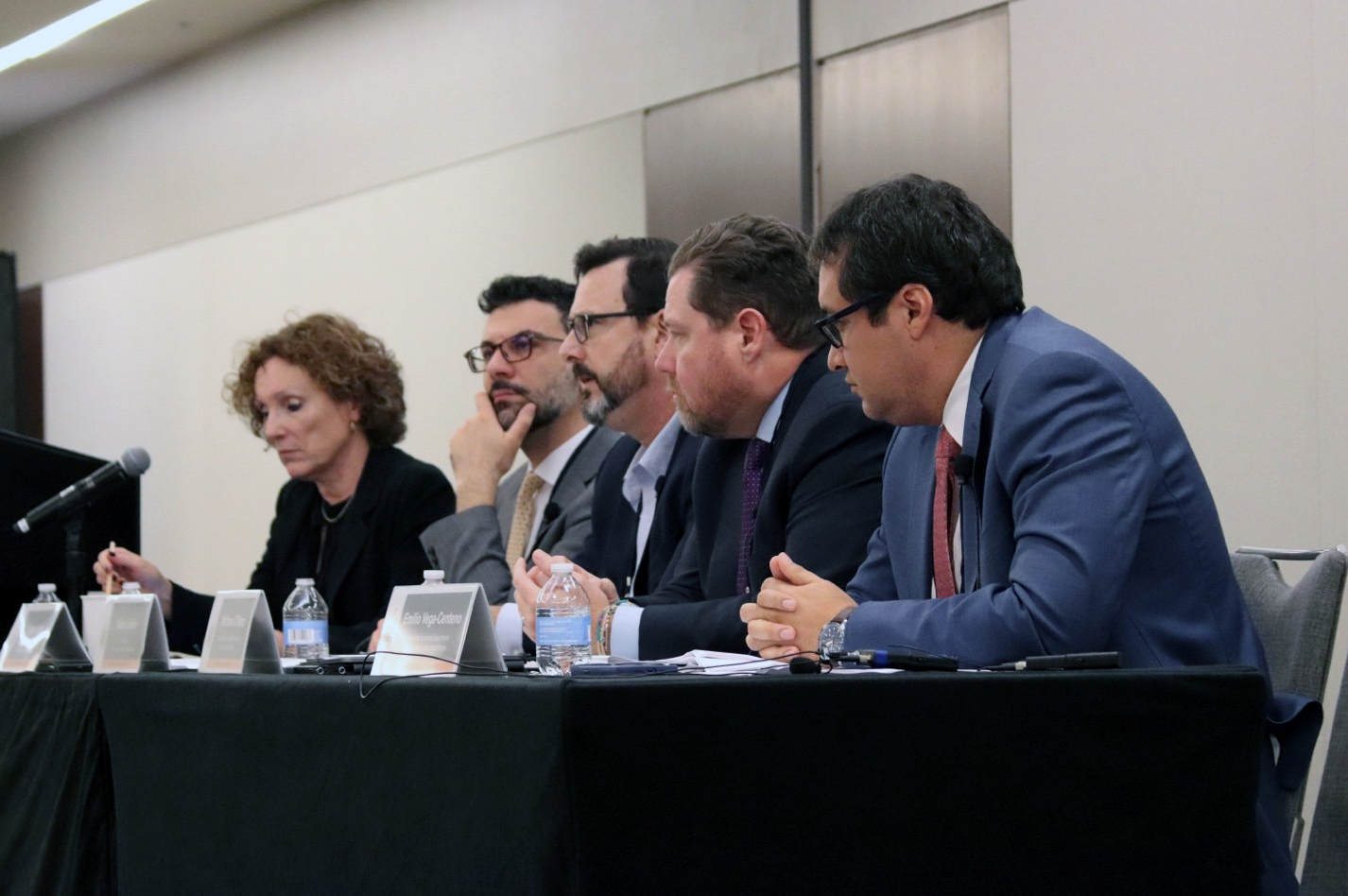
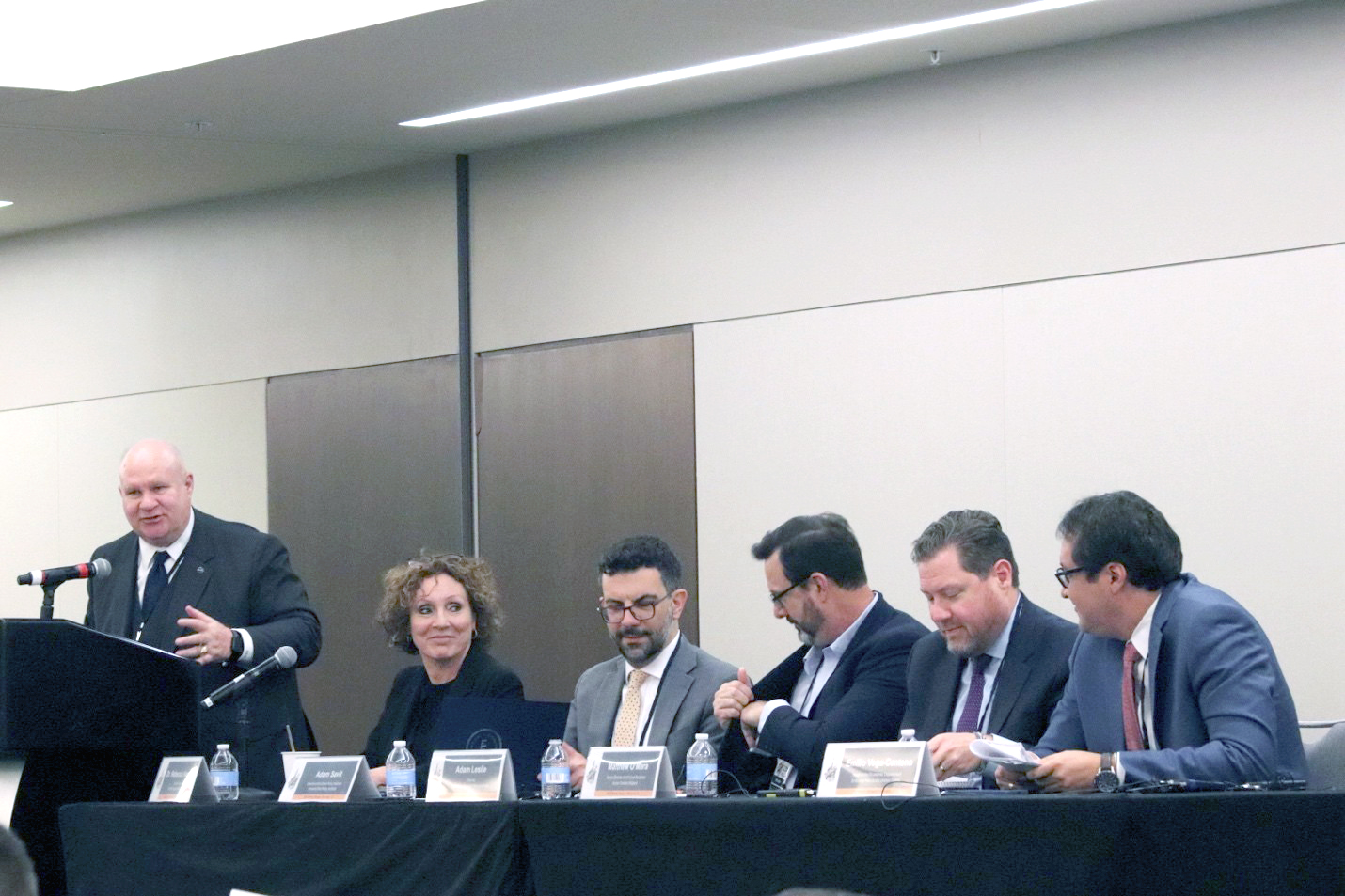
- Moderator: Dr. Rebecca Harding, CEO of the Centre for Economic Security, London
- Distinguished Panel:
- Mr. Adam Savit, Director, China Policy Initiative, America First Policy Institute
- Mr. Emilio Vega-Centeno, Head of the Economic Dept., Embassy of Peru to the United States
- Mr. Matthew O’Mara, Senior Director, International Government Relations, Archer Daniels Midland (ADM)
- Mr. Adam Leslie, Executive Director, Australian Strategic Policy Institute (ASPI USA)
12:40 – 13:40
Networking Lunch
13:40 – 15:10
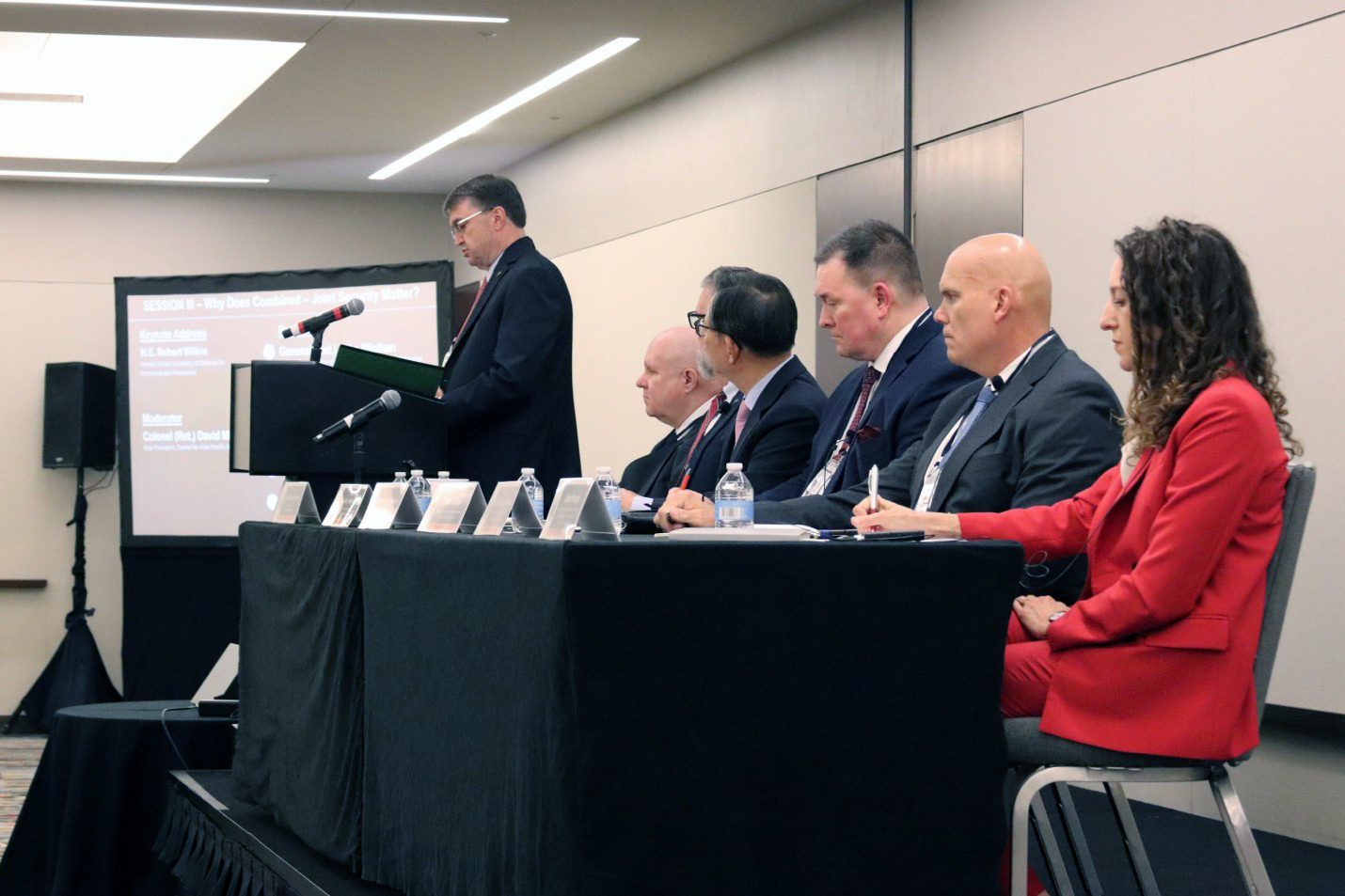
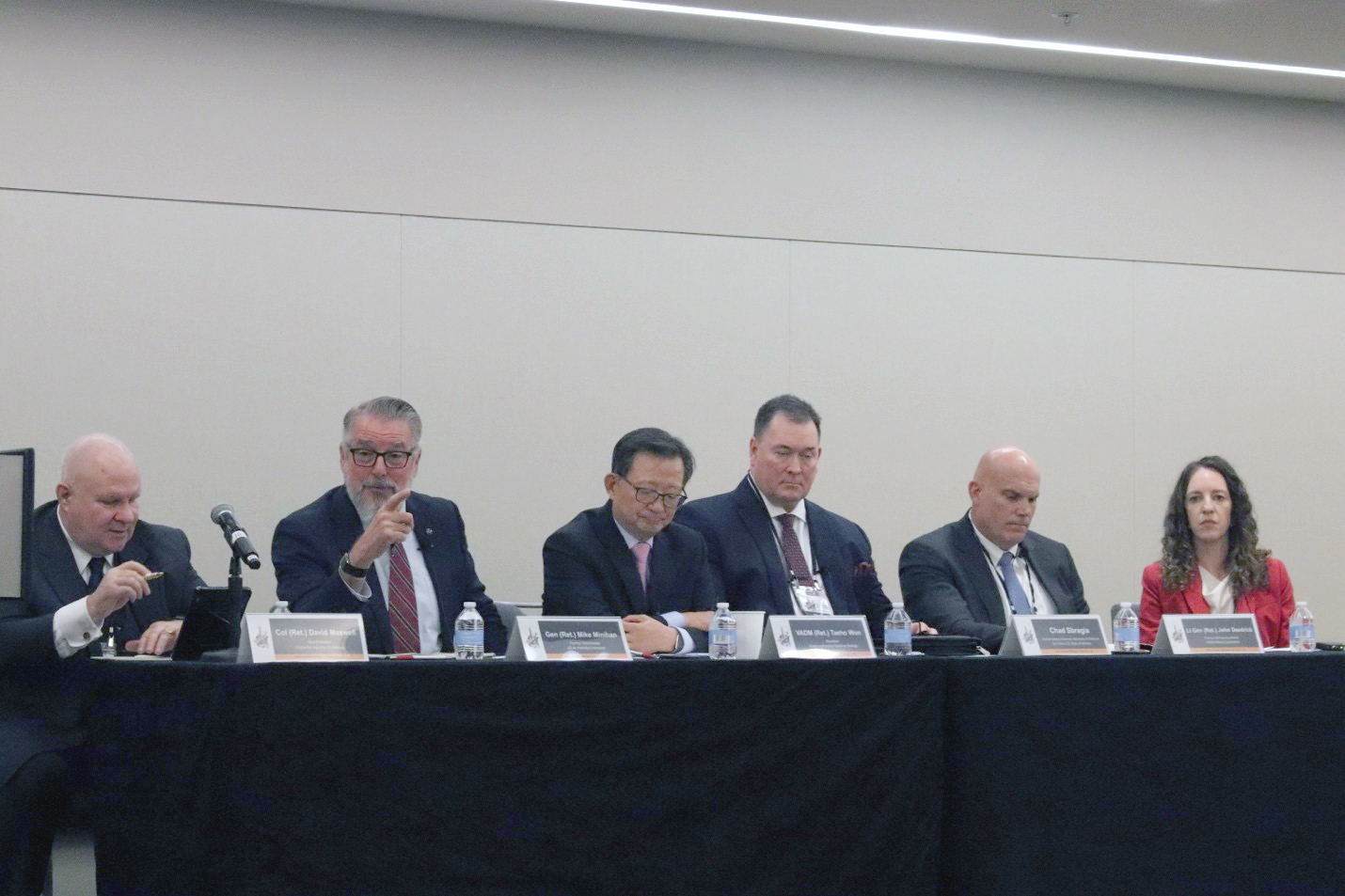
Session III: “Why does Combined -Joint Security Matter?”
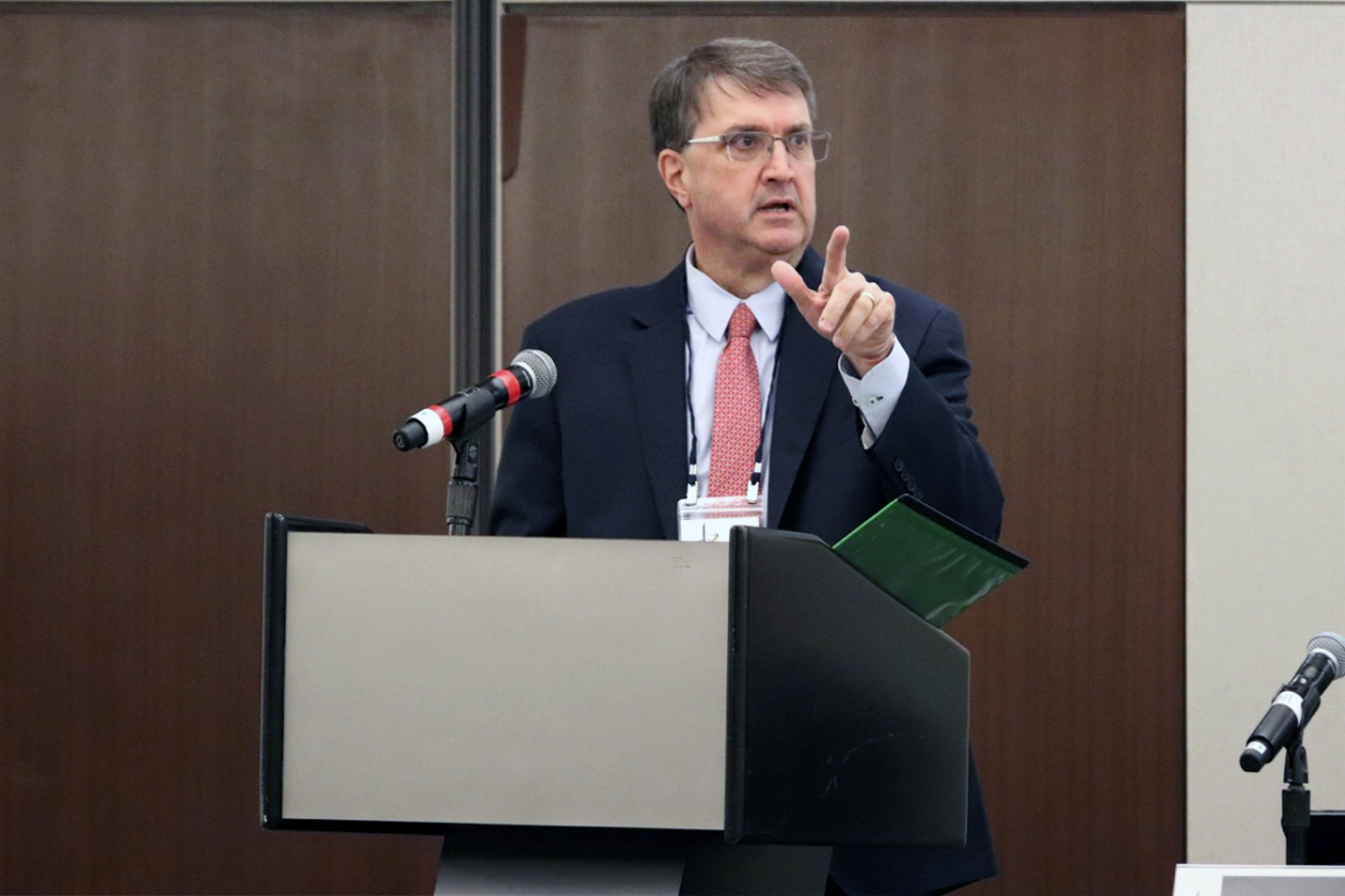
- Keynote Address: H.E. Robert Wilkie, Former Under Secretary of Defense for Personnel and Readiness
- Moderator: Colonel (Ret.) David Maxwell, Vice President, Center for Asia Pacific Strategy
- Distinguished Panel:
- General (Ret.) Mike Minihan, former Commander of Air Mobility Command, US / former Deputy Commander, Indo-Pacific Command
- Vice Admiral (Ret.) Taho Won, President, Korea Institute for Maritime Strategy
- Mr. Chad Sbragia, Former Deputy Assistant Secretary for China, Office of the Secretary of Defense
- Lieutenant General (Ret.) John Deedrick, former US Representative for the NATO Military Committee
- Ms. Jamie Morgan, Non-Resident Fellow, Carnegie Mellon University Institute for Strategy and Technology / Former Director for Regional Affairs for South and Southeast Asia, Office of the Under Secretary of Defense for Policy, US Department of Defense
15:10 – 15:25
Scheduled Break
15:25 – 16:55
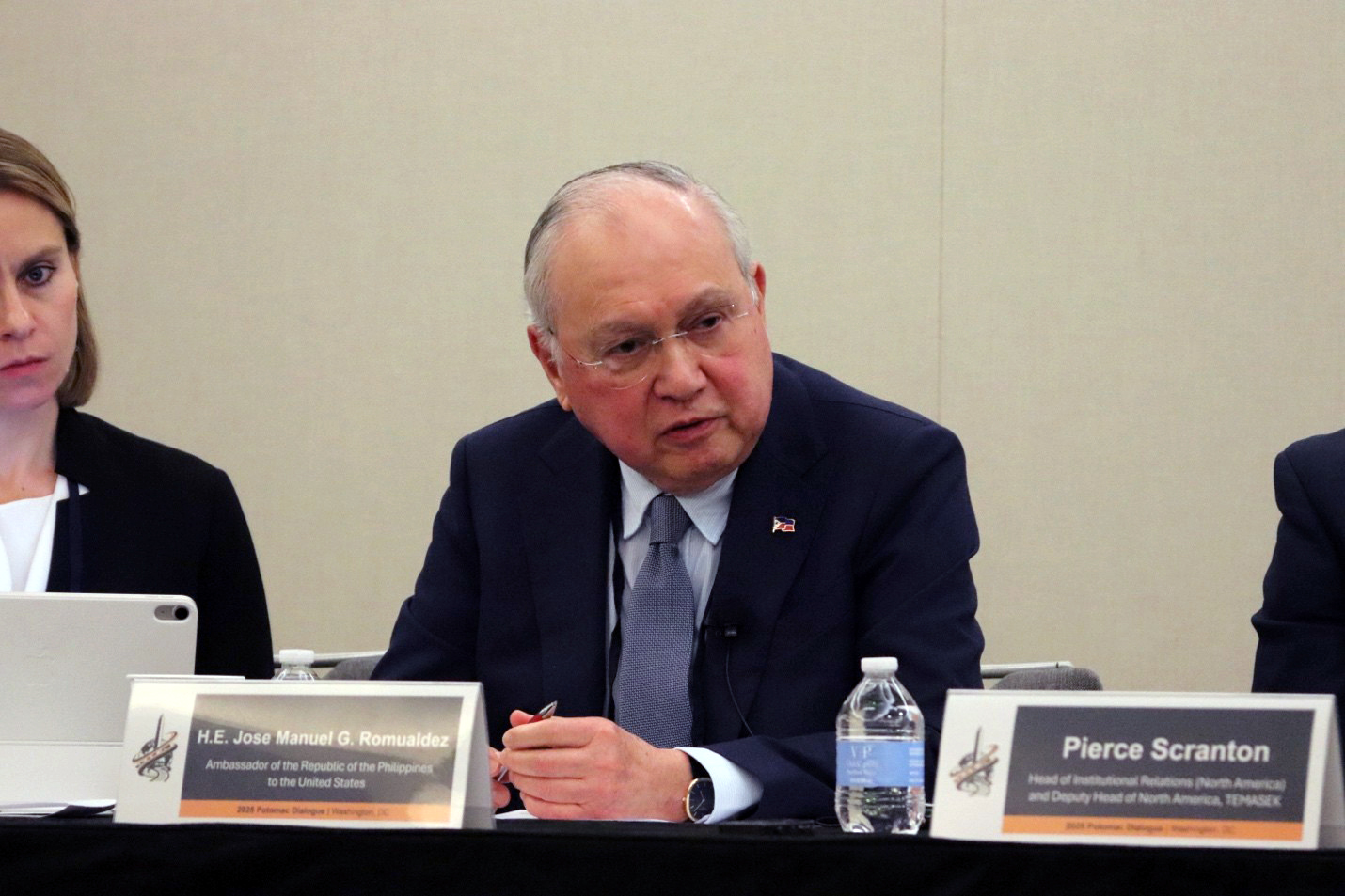
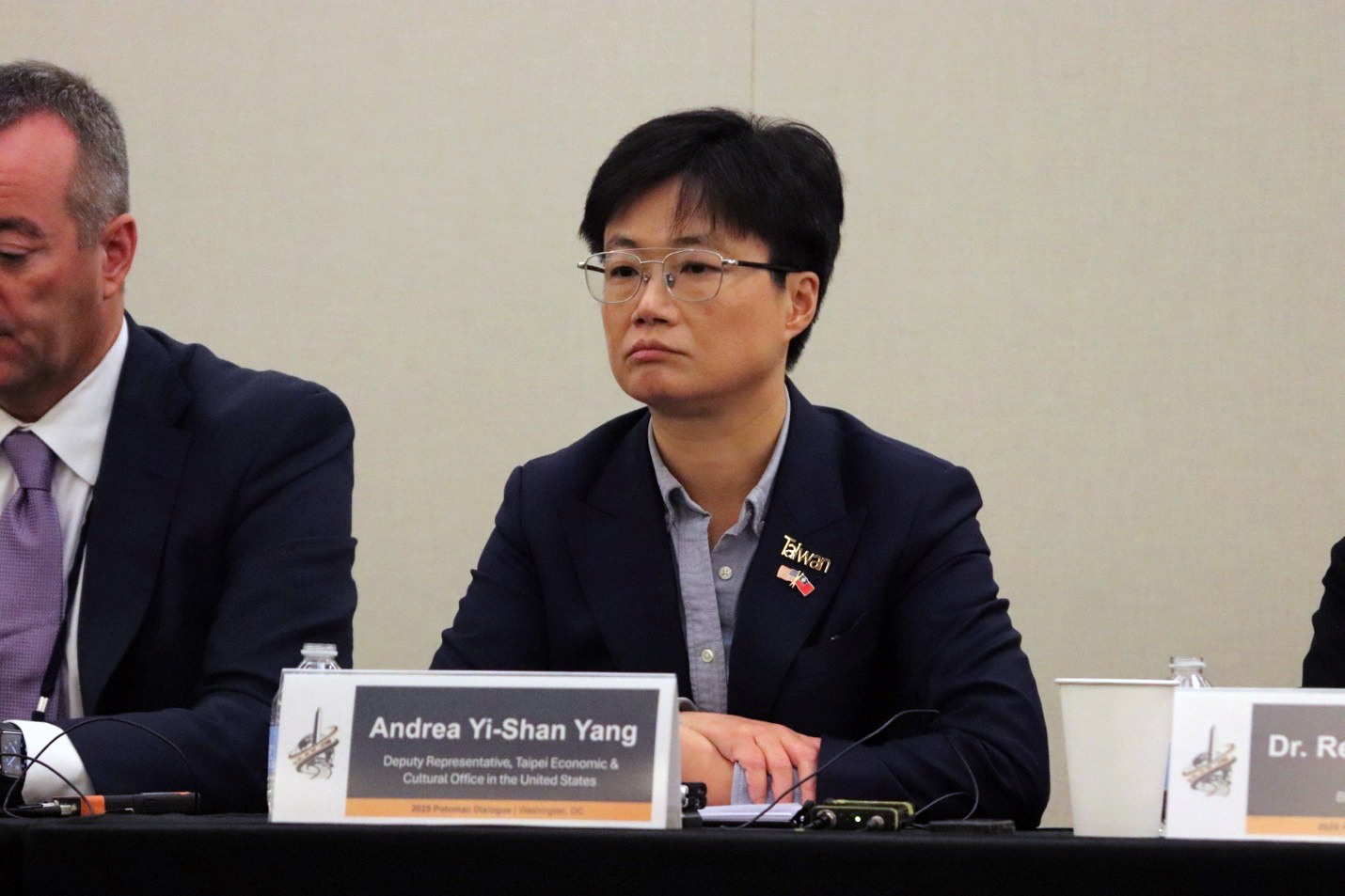
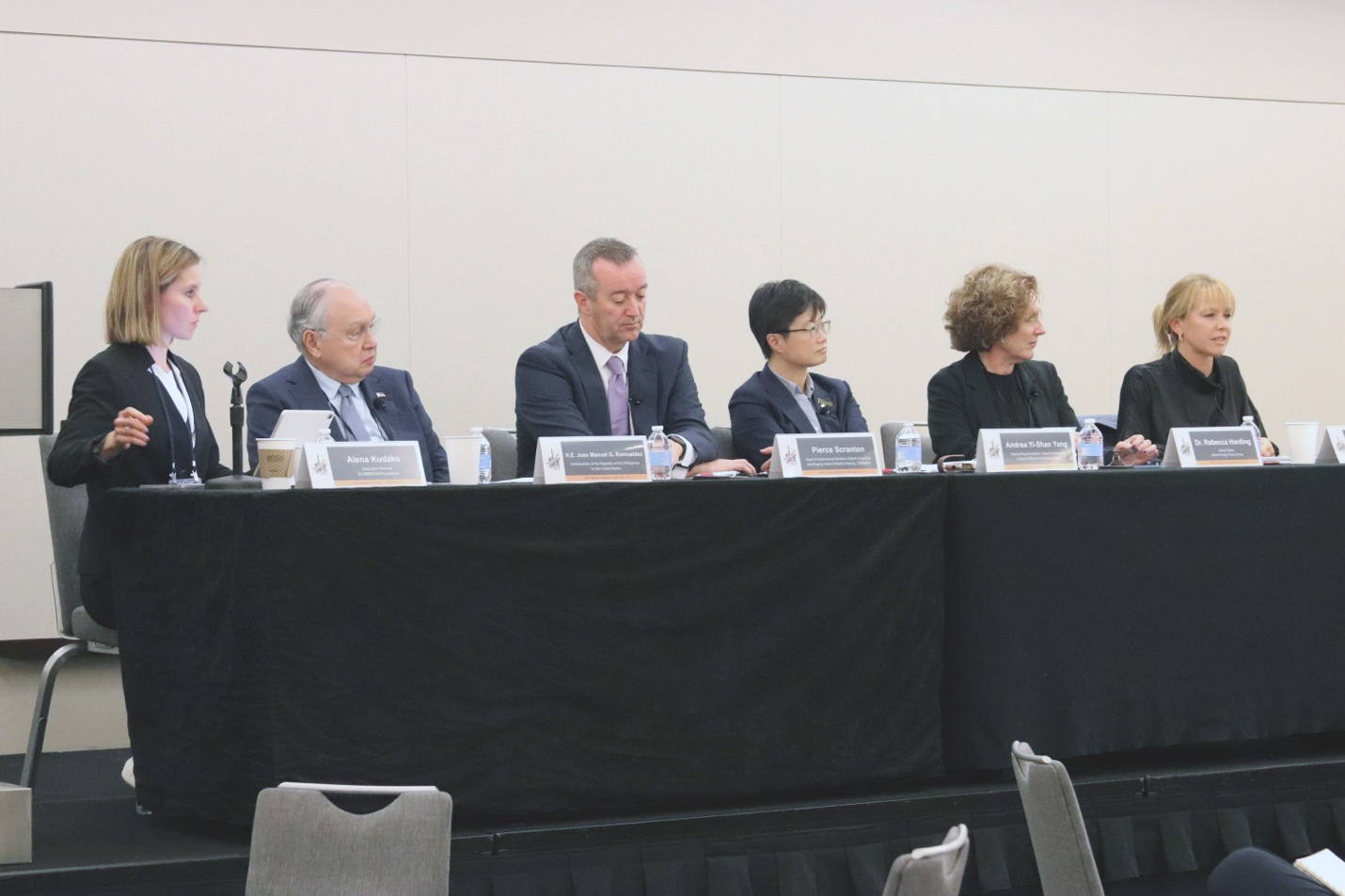
Session IV: “International Trade and Economic Stability”
- Moderator: Alena Kudzko, Executive Director, GLOBSEC US Foundation
- Distinguished Panel:
- H.E. Jose Manuel G. Romualdez, Philippines Ambassador to the United States
- Ms. Andrea Yang, Deputy Representative, Taipei Economic and Cultural Representative Office in the U.S.
- Mr. Pierce Scranton, Head of Institutional Relations (North America) and Deputy Head of North America, TEMASEK, New York
- Dr. Rebecca Harding, CEO of the Centre for Economic Security, London
- Dr. Ksenia Kirkham, Senior Lecturer in Economic Warfare, King’s College London
17:00 – 17:30
Conclusion and Summary of Insights
- Colonel (Ret.) David Maxwell, Vice President, Center for Asia Pacific Strategy
- General (Ret.) John Tilelli, Senior Advisor, Center for Asia Pacific Strategy
- Ms. Hee-Eun Kim, President & CEO, Center for Asia Pacific Strategy
18:00 – 20:00
VIP Reception for Speakers and Guests
(By Invitation)
Featured Speakers
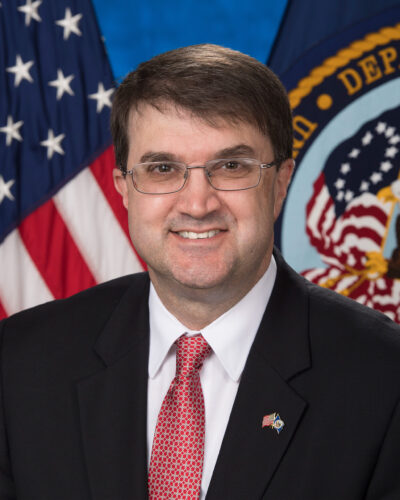
Co-Chair, American Security, America First Policy Institute, Senior National Security Analyst, NEWSMAX
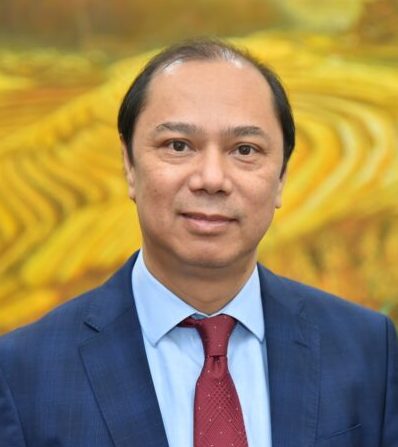
Ambassador Extraordinary and Plenipotentiary of the Socialist Republic of Vietnam to the United States, Chairman of the ASEAN Committee in Washington D.C.
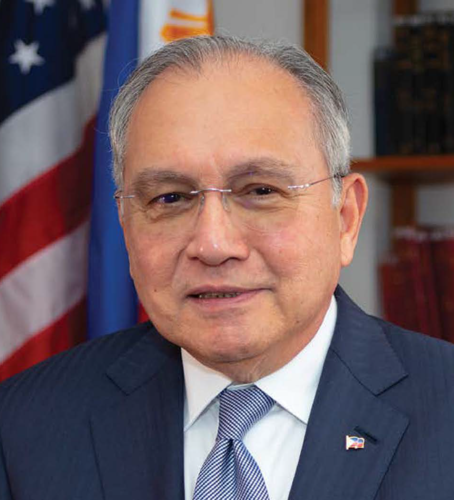
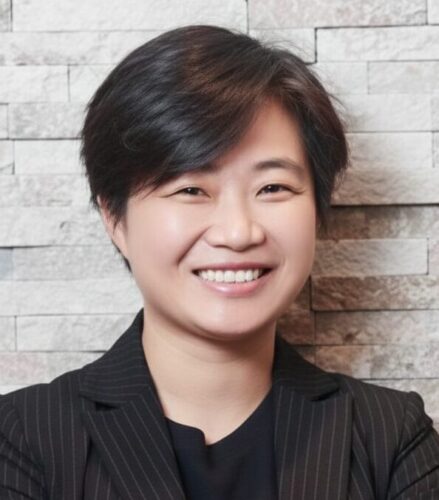
Deputy Representative, Taipei Economic and Cultural Representative Office in the U.S.
Session Speakers







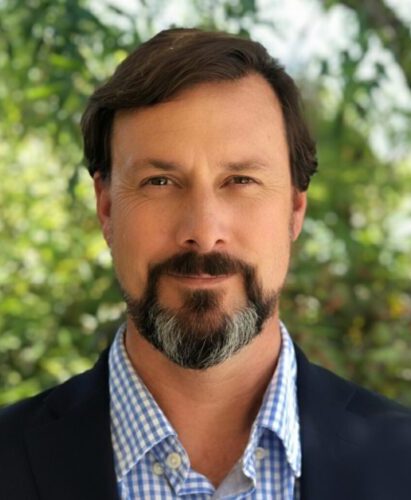


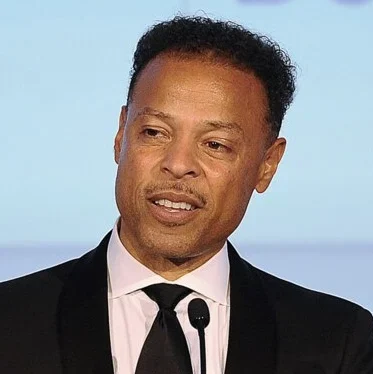
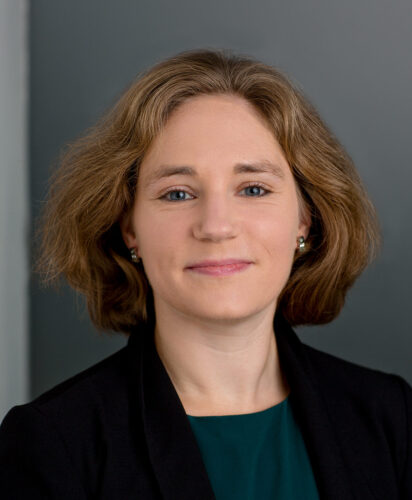


Former Director for Regional Affairs for S & SE Asia, Office of the Under Secretary of Defense for Policy, US Dept. of Defense

Senior Director, International Government Relations of Archer Daniels Midland Company
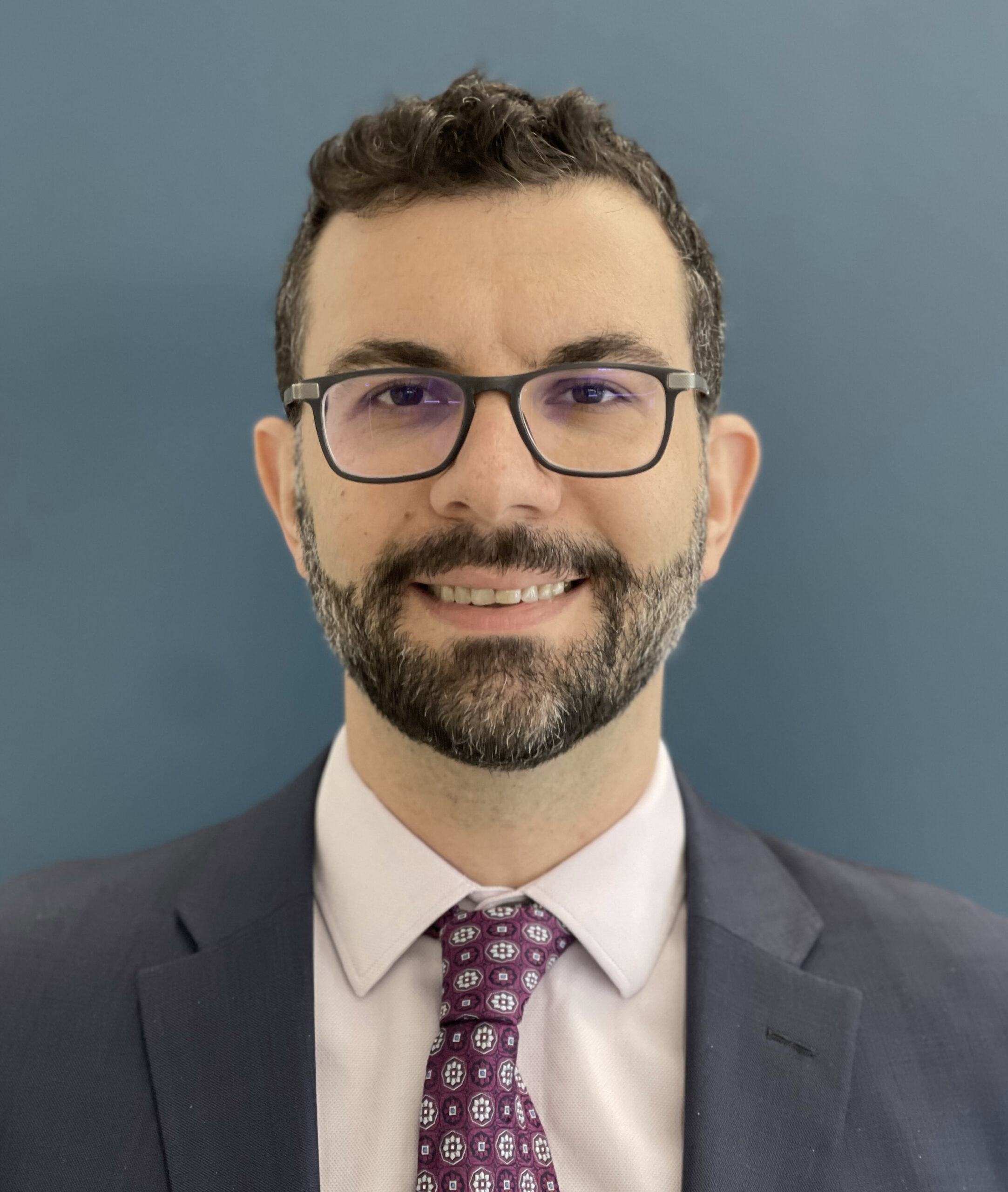
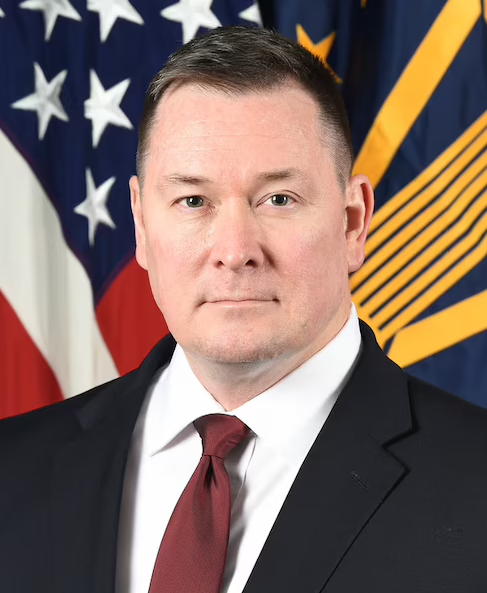
Head of Institutional Relations (North America) and Deputy Head of North America, TEMASEK
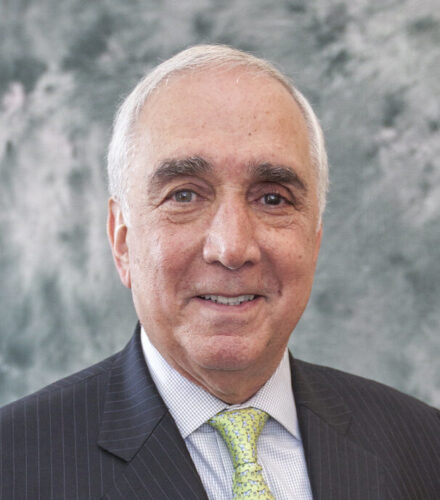
CAPS Senior Advisor
Former Commander-in-Chief of the United Nations Command, Republic of Korea/United States Combined Forces Command/United States Forces Korea
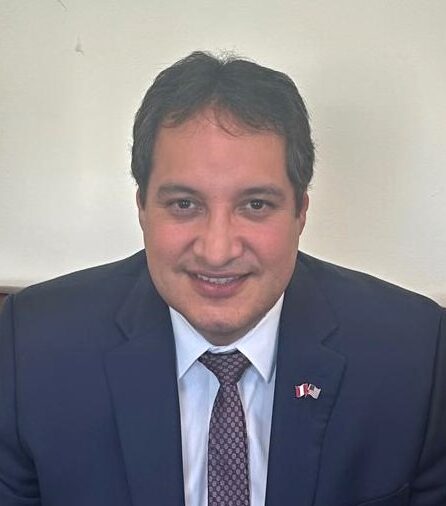
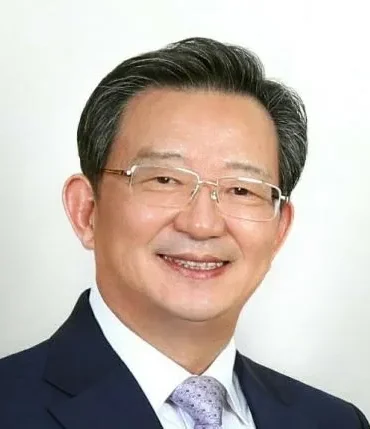
On 16–17 October 2025, more than 100 senior leaders from the United States, the United Kingdom, Europe, and across the Asia–Indo-Pacific convened in Washington, D.C., at the Marriott Marquis Washington, DC, for the inaugural Potomac Dialogue, hosted by the Center for Asia Pacific Strategy (CAPS). Day 1 was structured as a public forum engaging policymakers, industry leaders, and scholars, while Day 2 was conducted as a closed-door intensive workshop to facilitate candid, in-depth strategic discussions among senior practitioners.
Participants underscored that economic security and geopolitical stability in Asia and the Indo-Pacific are now fundamentally inseparable. The post–World War II global order—anchored in open markets, institutional trust, and U.S.-led security guarantees—is under sustained pressure as strategic competition, particularly involving China, increasingly unfolds in the economic domain. Trade, finance, technology, energy, food security, and critical supply chains are now central instruments of national power and strategic influence. Despite historically high levels of global trade, trust among major economies has deteriorated markedly, with tariffs, export controls, sanctions, industrial policies, and state-directed investment reshaping globalization toward resilience, strategic autonomy, and expanded state control. While these measures seek to mitigate vulnerabilities, they are also generating significant unintended consequences, including trade diversion, inflationary pressures, reduced supply chain transparency, and growing strain on allies and partners navigating competing economic and security frameworks. The Dialogue highlighted the risks of systemic fragmentation and underscored the imperative for coordinated policy responses among like-minded economies. CAPS reaffirmed its commitment to advancing strategic dialogue, policy innovation, and cross-sector collaboration to strengthen a resilient, rules-based economic and security architecture across the Asia–Indo-Pacific and Eurasia.
CAPS Global Future Leaders Initiative
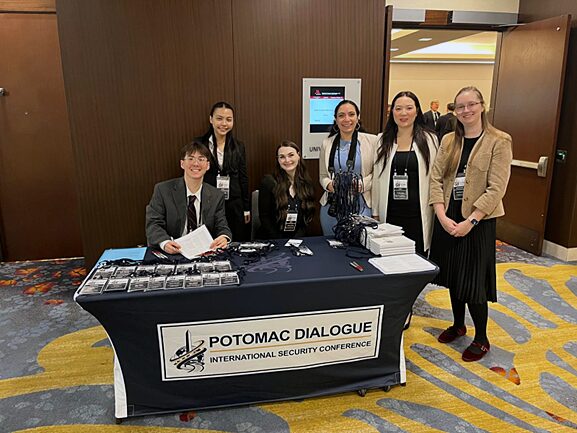
The Global Future Leaders Initiative cohort provided essential support across both public and closed-door sessions, ensuring the successful execution of the inaugural Potomac Dialogue. Their professionalism, strategic engagement, and leadership reflect the next generation shaping Indo-Pacific policy and global security discourse.
Opening Session
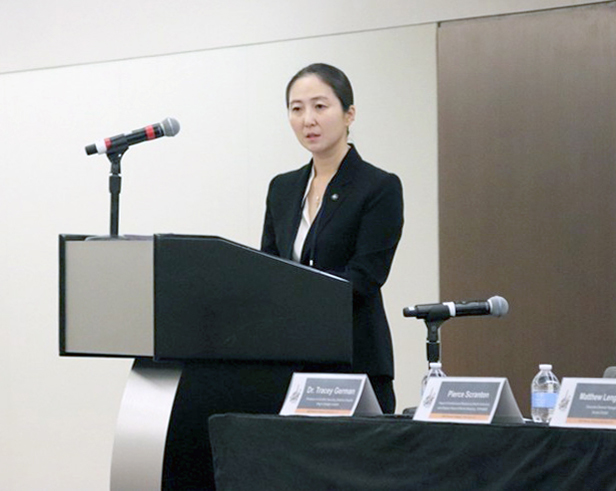
The Asia and Indo-Pacific sits at the center of these dynamics. It remains the engine of global growth while simultaneously serving as the primary arena of geopolitical risk. How the United States and its allies engage the region economically, diplomatically, and militarily will determine whether the coming decades are defined by stability and shared prosperity or fragmentation and conflict.
Keynote Speech
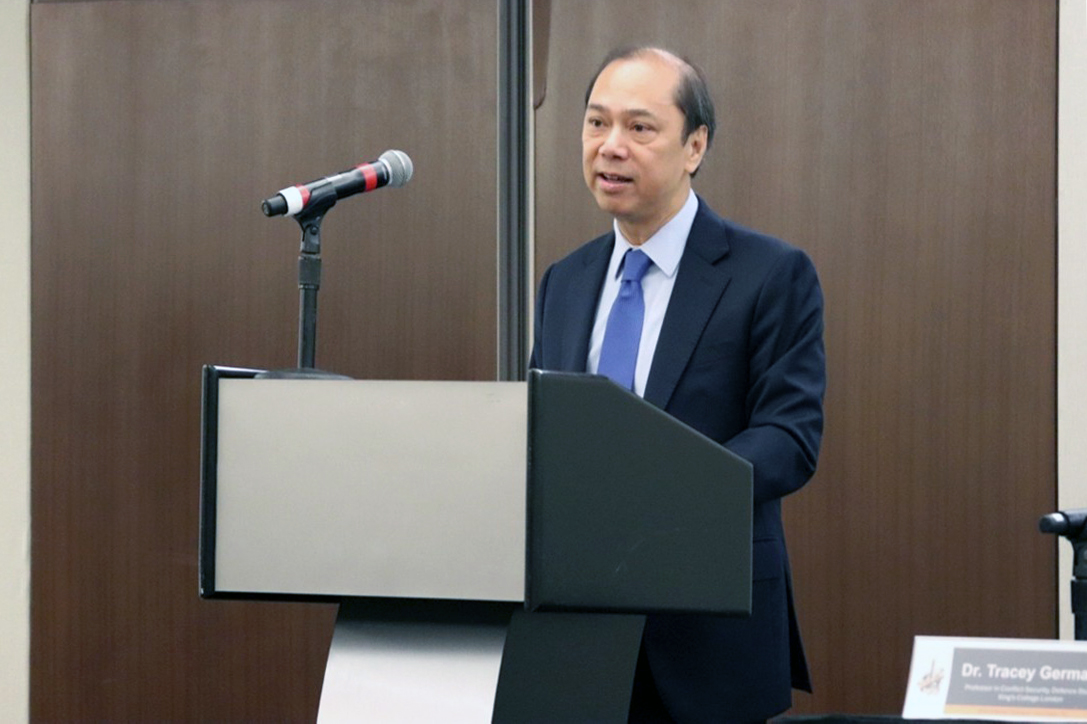
H.E. Nguyen Quoc Dzung, Ambassador Extraordinary and Plenipotentiary of the Socialist Republic of Vietnam to the United States of America, Chairman of the ASEAN Committee in Washington D.C.
First of all, I wish to congratulate the Center for Asia Pacific Strategy on organizing the inaugural Potomac Dialogue under the theme “Bridging the Divide: The Vital Role of the Asia–Pacific in Global Security and Economic Stability.” Platforms such as the Potomac Dialogue play a vital role — providing a meaningful forum for policymakers, business leaders, scholars, and citizens to come together, exchange ideas, and strengthen understanding. It is my great honor to address this distinguished gathering on an issue of utmost importance: how the Asia–Pacific can and must respond to the challenges confronting our world today.
1. Challenges Facing the Asia–Pacific
Distinguished Participants,
The world is undergoing a profound transformation in global politics and economics. Our region – the Asia–Pacific – faces unprecedented and deeply interconnected challenges.
Economic decoupling, fragmentation, and the weakening of traditional growth drivers have slowed recovery and dampened optimism. Declining trust among nations, together with rising protectionism, is eroding the foundations of international cooperation and straining the rules-based order.
Global governance mechanisms struggle to keep pace with the rapid evolution of science and technology – especially in areas such as artificial intelligence and cybersecurity.
At the same time, non-traditional security threats are becoming ever more severe – from climate change and extreme weather, to pandemics, natural disasters, resource depletion, and population aging. These challenges widen development gaps and risk leaving poorer countries behind.
With these complex dynamics, the world has become increasingly uncertain. The issues we face are intertwined, amplifying geopolitical and geo-economic shocks. Strategic competition is deepening; military tensions persist. Trade disruptions have become frequent, and societies are increasingly exposed to extreme events. Together, these forces make our global environment more volatile and unpredictable than ever.
2. The Asia–Pacific’s Enduring Strengths
In the face of these headwinds, what gives the Asia – Pacific region its leverage in this new phase of development? I would highlight three key advantages.
First, the Asia – Pacific continues to be the pillar of global growth.
Home to more than half of the world’s population and over 60 percent of global GDP, our region remains the engine of innovation, trade, and investment. With broad regional linkages through APEC, the Regional Comprehensive Economic Partnership (RCEP), the Comprehensive and Progressive Trans-Pacific Partnership (CPTPP), and other free trade arrangements, Asia–Pacific economies are better positioned to diversify markets and build resilient supply chains amid global volatility.
Second, the Asia – Pacific is a cradle of human civilization and a hub of industrial and technological progress.
Many economies in our region have become leaders in science, technology, and innovation, driving new opportunities in emerging sectors and setting global standards.
Third, even as conflict and instability intensify elsewhere, our region stands out for its relative peace and stability, offering a more favorable environment for cooperation and development. Despite historical, cultural, and political differences, the countries of the Asia–Pacific have long chosen dialogue over confrontation, cooperation over conflict, and progress over division.
3. How Should the Asia – Pacific Respond?
Ladies and Gentlemen,
Over the past three decades, the Asia–Pacific has repeatedly proven its resilience – whether during the 1997 Asian financial crisis, the 2008 global crisis, or the COVID-19 pandemic. Each time, our region emerged stronger, turning challenges into opportunities.
With strong foundations and a spirit of solidarity, the Asia–Pacific possesses all the conditions to remain a key driver of global growth. I believe our region should focus on three pioneering areas of cooperation in the time ahead:
First – Strengthening solidarity and cooperation to safeguard peace and stability.
We hope that all countries – especially the major powers – will act responsibly for the common good of the region and the world, upholding international law and the fundamental principles of the UN Charter: the peaceful settlement of disputes, non-use of force, and respect for sovereignty and territorial integrity.
Competition among major powers is natural – but conflict is not inevitable. We encourage all to respect ASEAN centrality and the legitimate interests of all countries.
Dialogue and confidence – building must be strengthened through mechanisms such as ASEAN, the East Asia Summit, and the ASEAN Regional Forum, ensuring that differences are managed through diplomacy, not confrontation.
Regional organizations, particularly APEC, must continue to serve as platforms for cooperation and coordination – reaffirming its role as an “incubator of ideas” where member economies can ease tensions and pioneer collaborative initiatives.
Second – Advancing science, technology, innovation, and digital transformation.
Historically, APEC has led policy dialogue on ICT and digital growth to enhance competitiveness and inclusion. Looking forward, our region can pioneer inclusive digital standards, guard against cyber threats, and expand opportunities in AI, fintech, and cloud computing – ensuring technology remains a bridge, not a barrier.
We must also help shape global governance principles for emerging technologies. In this context, we commend the ongoing efforts, led by Korea, to develop an APEC AI Initiative by the end of this year.
Third – Promoting inclusive and sustainable development and new growth models.
To advance sustainable development, the Asia – Pacific should focus on:
Applying breakthrough technologies such as AI, quantum computing, and biotechnology;
Expanding models of the green and circular economy and clean energy transition;
Strengthening social policies so that all citizens – especially women, the poor, vulnerable groups, and SMEs – can benefit from economic growth.
Frameworks such as the Putrajaya Vision 2040 and the Bangkok Goals on the Bio-Circular-Green Economy (2022) provide valuable roadmaps. Under Malaysia’s ASEAN Chairmanship this year, inclusive growth has once again been reaffirmed as a central theme – ensuring that no one is left behind.
The business community remains an essential partner – driving innovation, investment, and sustainability. In today’s uncertain times, businesses should continue to work with governments to invest in technology, human capital, and resilient communities that reinforce trust and shared prosperity.
4. Vietnam’s Commitment
Distinguished Participants,
Despite global uncertainties, Viet Nam remains steadfast in its foreign policy of independence, self-reliance, peace, friendship, and cooperation, while promoting multilateralism and proactive international integration.
As a reliable and responsible partner, Viet Nam contributes actively to regional and global peace and sustainable development. We uphold ASEAN’s central role, support a strong multilateral trading system, and remain committed to international law.
In 2027, Viet Nam will assume the APEC Chairmanship for the third time, under the theme “Connecting: Building Inclusive and Resilient Economies.”
We are committed to working closely with the United States and all member economies to address shared challenges, promote dialogue, and foster cooperation for a world that is peaceful, prosperous, and sustainable for all.
We are confident that the Asia – Pacific will continue to write the next chapter of its remarkable story – one defined by peace, prosperity, and innovation. Together, we can build a stable, sustainable, and forward-looking future for our region and beyond.
In conclusion, I wish the Potomac Dialogue every success. I hope this forum, organized by the Center for Asia Pacific Strategy, will become an annual tradition – continuing to inspire meaningful discussions that contribute to the well-being and prosperity of all Asia – Pacific economies.
Thank you very much.
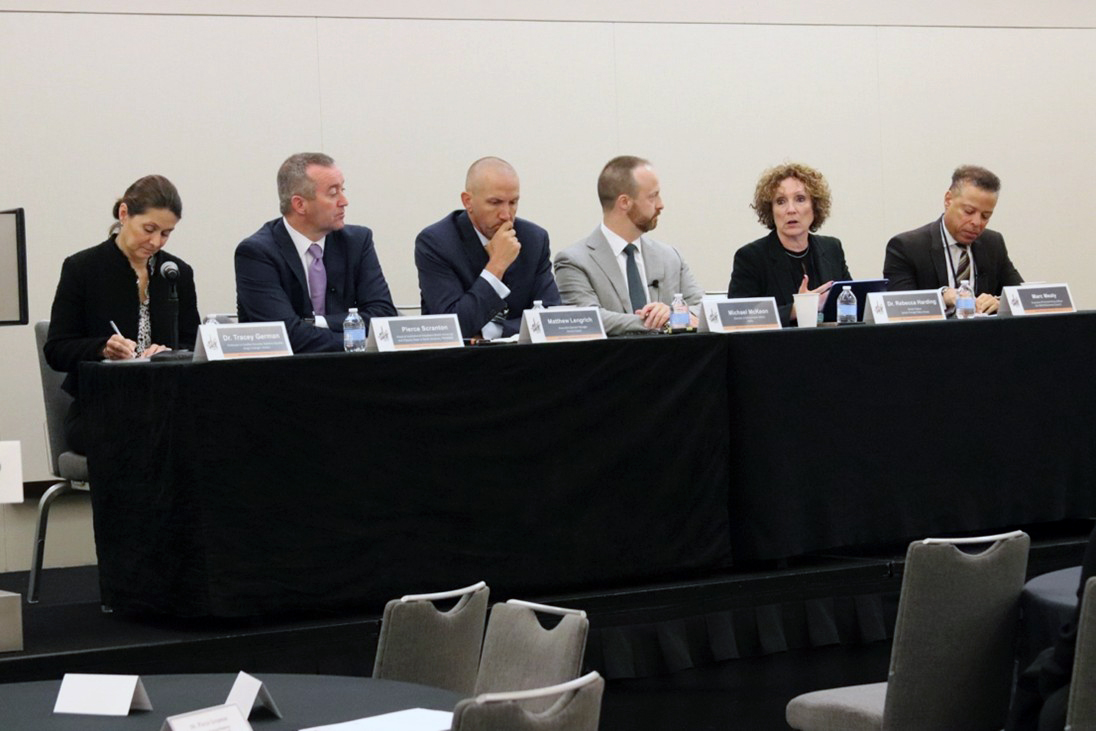
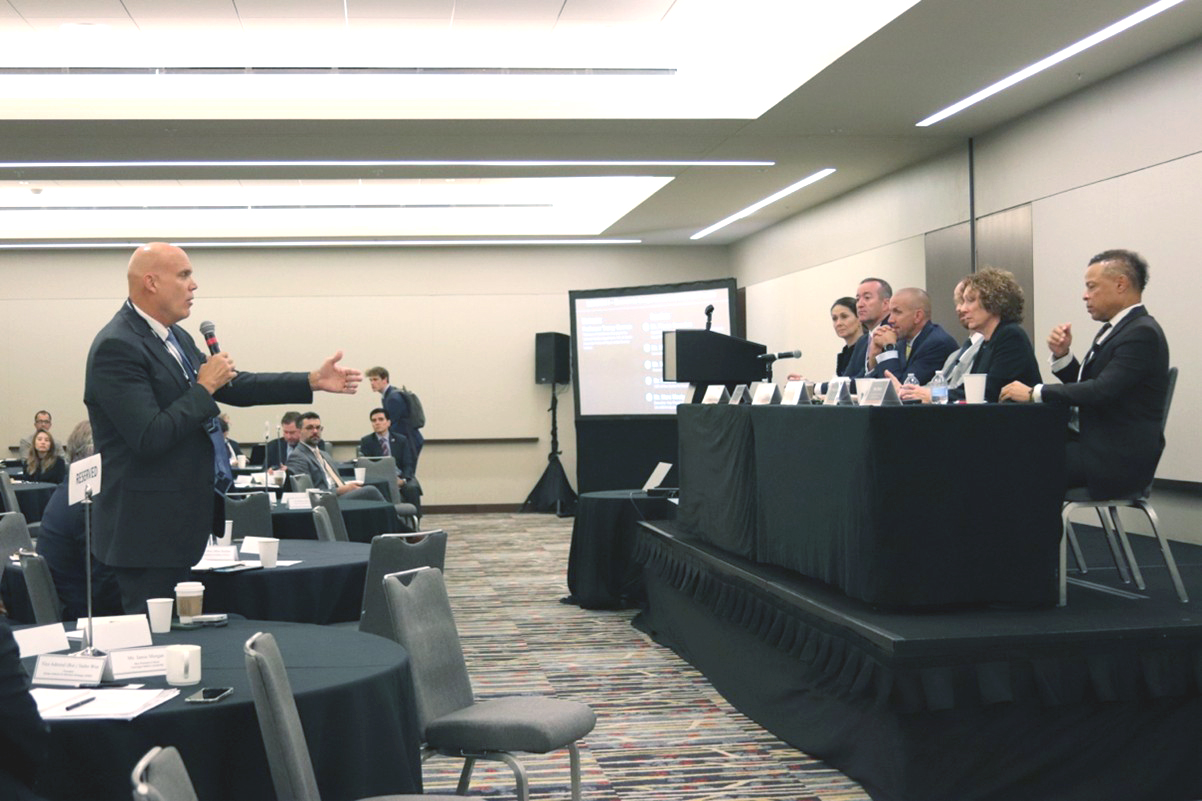
Session 1: Economic Cooperation and the Asia Pacific
Moderator
Dr. Tracey German, Professor of Conflict and Security in the Defense Studies Department, KCL & Senior Associate Fellow at Royal United Service Institute
Panel
Pierce Scranton, Head of Institutional Relations (North America) and Deputy Head of North America, TEMASEK, Washington, DC
Matthew Lengerich, Executive General Manager, Jervois
Michael McKeon, Director of Government Affairs, ASML
Dr. Rebecca Harding, CEO of the Centre for Economic Security, London
Marc Mealy, Executive Vice President & Chief Policy Officer, US-ASEAN Business Council
Session 2: Food Security and Supply Chain Resilience
Moderator
Dr. Rebecca Harding, CEO of the Centre for Economic Security, London
Panel
Adam Savit, Director, China Policy Initiative, America First Policy Institute
Emilio Vega-Centeno, Head of the Economic Dept., Embassy of Peru to the United States
Matthew O’Mara, Senior Director, International Government Relations, Archer Daniels Midland (ADM)
Adam Leslie, Executive Director, Australian Strategic Policy Institute (ASPI USA)
Session 3: Why Does Combined Joint Security Matter?
Keynote Address
H.E. Robert Wilkie, Former Under Secretary of Defense for Personnel and Readiness
Moderator
David Maxwell, Vice President, Center for Asia Pacific Strategy
Panel
General (Ret.) Mike Minihan, former Commander of Air Mobility Command, US / former Deputy Commander, Indo-Pacific Command
Vice Admiral (Ret.) Taeho Won, President, Korea Institute for Maritime Strategy
Chad Sbragia, Former Deputy Assistant Secretary for China, Office of the Secretary of Defense
Lieutenant General (Ret.) John Deedrick, former US Representative for the NATO Military Committee
Jamie Morgan, Non-Resident Fellow, Carnegie Mellon University Institute for Strategy and Technology / Former Director for Regional Affairs for South and Southeast Asia, Office of the Under Secretary of Defense for Policy, US Department of Defense
Session 4: International Trade and Economic Security
Moderator
Alena Kudzko, Executive Director, GLOBSEC US Foundation
Panel
H.E. Jose Manuel G. Romualdez, Philippines Ambassador to the United States
Andrea Yang, Deputy Representative, Taipei Economic and Cultural Representative Office in the U.S.
Pierce Scranton, Head of Institutional Relations (North America) and Deputy Head of North America, TEMASEK, New York
Dr. Rebecca Harding, CEO of the Centre for Economic Security, London
Dr. Ksenia Kirkham, Senior Lecturer in Economic Warfare, King’s College London
Closing Session
2025 Theme
Bridging the Divide: The Vital Role of the Asia Pacific in Global Security and Economic Stability
The Asia-Indo-Pacific is set to define the 21st century. As a hub of economic dynamism, innovation, and trade, its stability and prosperity are essential to global security and equitable development. Yet, the region faces complex challenges, including territorial disputes and potential military escalation. Economic security, ensuring uninterrupted flows, is key to mitigating conflict. The Potomac Dialogue, hosted annually by the Center for Asia Pacific Strategy (CAPS) in Washington, D.C., provides a critical forum for pragmatic, solution-oriented engagement. By fostering deeper understanding and actionable insights, these dialogues equip stakeholders to navigate the region’s complexities and advance shared prosperity.
Thursday, October 16 2025
8:00
Registration / Coffee & Pastries
8:30 – 9:15
Opening Session
- Opening Address
- Ms. Hee-Eun Kim, President & CEO, Center for Asia Pacific Strategy
- Keynote Address
- H.E. Nguyen Quoc Dzung, Ambassador Extraordinary and Plenipotentiary of the Socialist Republic of Vietnam to the United States of America, Chairman of the ASEAN Committee in Washington D.C.
9:20 – 10:50
Session I: “Economic Cooperation and the Asia Pacific”
- Moderator: Dr. Tracey German, Professor of Conflict and Security in the Defense Studies Department, KCL & Senior Associate Fellow at Royal United Service Institute
- Distinguished Panel:
- Mr. Pierce Scranton, Head of Institutional Relations (North America) and Deputy Head of North America, TEMASEK, Washington, DC
- Mr. Matthew Lengerich, Executive General Manager, Jervois
- Mr. Michael McKeon, Director of Government Affairs, ASML
- Dr. Rebecca Harding, CEO of the Centre for Economic Security, London
- Mr. Marc Mealy, Executive Vice President & Chief Policy Officer, US-ASEAN Business Council
10:50 – 11:05
Scheduled Break
11:05 – 12:35
Session II: “Food Security and Supply Chain Resilience”
- Moderator: Dr. Rebecca Harding, CEO of the Centre for Economic Security, London
- Distinguished Panel:
- Mr. Adam Savit, Director, China Policy Initiative, America First Policy Institute
- Mr. Emilio Vega-Centeno, Head of the Economic Dept., Embassy of Peru to the United States
- Mr. Matthew O’Mara, Senior Director, International Government Relations, Archer Daniels Midland (ADM)
- Mr. Adam Leslie, Executive Director, Australian Strategic Policy Institute (ASPI USA)
12:40 – 13:40
Networking Lunch
13:40 – 15:10
Session III: “Why does Combined -Joint Security Matter?”
- Keynote Address: H.E. Robert Wilkie, Former Under Secretary of Defense for Personnel and Readiness
- Moderator: Colonel (Ret.) David Maxwell, Vice President, Center for Asia Pacific Strategy
- Distinguished Panel:
- General (Ret.) Mike Minihan, former Commander of Air Mobility Command, US / former Deputy Commander, Indo-Pacific Command
- Vice Admiral (Ret.) Taho Won, President, Korea Institute for Maritime Strategy
- Mr. Chad Sbragia, Former Deputy Assistant Secretary for China, Office of the Secretary of Defense
- Lieutenant General (Ret.) John Deedrick, former US Representative for the NATO Military Committee
- Ms. Jamie Morgan, Non-Resident Fellow, Carnegie Mellon University Institute for Strategy and Technology / Former Director for Regional Affairs for South and Southeast Asia, Office of the Under Secretary of Defense for Policy, US Department of Defense
15:10 – 15:25
Scheduled Break
15:25 – 16:55
Session IV: “International Trade and Economic Stability”
- Moderator: Alena Kudzko, Executive Director, GLOBSEC US Foundation
- Distinguished Panel:
- H.E. Jose Manuel G. Romualdez, Philippines Ambassador to the United States
- Ms. Andrea Yang, Deputy Representative, Taipei Economic and Cultural Representative Office in the U.S.
- Mr. Pierce Scranton, Head of Institutional Relations (North America) and Deputy Head of North America, TEMASEK, New York
- Dr. Rebecca Harding, CEO of the Centre for Economic Security, London
- Dr. Ksenia Kirkham, Senior Lecturer in Economic Warfare, King’s College London
17:00 – 17:30
Conclusion and Summary of Insights
- Colonel (Ret.) David Maxwell, Vice President, Center for Asia Pacific Strategy
- General (Ret.) John Tilelli, Senior Advisor, Center for Asia Pacific Strategy
- Ms. Hee-Eun Kim, President & CEO, Center for Asia Pacific Strategy
18:00 – 20:00
VIP Reception for Speakers and Guests
(By Invitation)
Featured Speakers
Co-Chair, American Security, America First Policy Institute, Senior National Security Analyst, NEWSMAX
Ambassador Extraordinary and Plenipotentiary of the Socialist Republic of Vietnam to the United States, Chairman of the ASEAN Committee in Washington D.C.
Deputy Representative, Taipei Economic and Cultural Representative Office in the U.S.
Session Speakers
Former Director for Regional Affairs for S & SE Asia, Office of the Under Secretary of Defense for Policy, US Dept. of Defense
Senior Director, International Government Relations of Archer Daniels Midland Company
Head of Institutional Relations (North America) and Deputy Head of North America, TEMASEK
CAPS Senior Advisor
Former Commander-in-Chief of the United Nations Command, Republic of Korea/United States Combined Forces Command/United States Forces Korea
On 16–17 October 2025, more than 100 senior leaders from the United States, the United Kingdom, Europe, and across the Asia–Indo-Pacific convened in Washington, D.C., at the Marriott Marquis Washington, DC, for the inaugural Potomac Dialogue, hosted by the Center for Asia Pacific Strategy (CAPS). Day 1 was structured as a public forum engaging policymakers, industry leaders, and scholars, while Day 2 was conducted as a closed-door intensive workshop to facilitate candid, in-depth strategic discussions among senior practitioners.
Participants underscored that economic security and geopolitical stability in Asia and the Indo-Pacific are now fundamentally inseparable. The post–World War II global order—anchored in open markets, institutional trust, and U.S.-led security guarantees—is under sustained pressure as strategic competition, particularly involving China, increasingly unfolds in the economic domain. Trade, finance, technology, energy, food security, and critical supply chains are now central instruments of national power and strategic influence. Despite historically high levels of global trade, trust among major economies has deteriorated markedly, with tariffs, export controls, sanctions, industrial policies, and state-directed investment reshaping globalization toward resilience, strategic autonomy, and expanded state control. While these measures seek to mitigate vulnerabilities, they are also generating significant unintended consequences, including trade diversion, inflationary pressures, reduced supply chain transparency, and growing strain on allies and partners navigating competing economic and security frameworks. The Dialogue highlighted the risks of systemic fragmentation and underscored the imperative for coordinated policy responses among like-minded economies. CAPS reaffirmed its commitment to advancing strategic dialogue, policy innovation, and cross-sector collaboration to strengthen a resilient, rules-based economic and security architecture across the Asia–Indo-Pacific and Eurasia.
CAPS Global Future Leaders Initiative
The Global Future Leaders Initiative cohort provided essential support across both public and closed-door sessions, ensuring the successful execution of the inaugural Potomac Dialogue. Their professionalism, strategic engagement, and leadership reflect the next generation shaping Indo-Pacific policy and global security discourse.
Opening Session
The Asia and Indo-Pacific sits at the center of these dynamics. It remains the engine of global growth while simultaneously serving as the primary arena of geopolitical risk. How the United States and its allies engage the region economically, diplomatically, and militarily will determine whether the coming decades are defined by stability and shared prosperity or fragmentation and conflict.
Keynote Speech
H.E. Nguyen Quoc Dzung, Ambassador Extraordinary and Plenipotentiary of the Socialist Republic of Vietnam to the United States of America, Chairman of the ASEAN Committee in Washington D.C.
First of all, I wish to congratulate the Center for Asia Pacific Strategy on organizing the inaugural Potomac Dialogue under the theme “Bridging the Divide: The Vital Role of the Asia–Pacific in Global Security and Economic Stability.” Platforms such as the Potomac Dialogue play a vital role — providing a meaningful forum for policymakers, business leaders, scholars, and citizens to come together, exchange ideas, and strengthen understanding. It is my great honor to address this distinguished gathering on an issue of utmost importance: how the Asia–Pacific can and must respond to the challenges confronting our world today.
1. Challenges Facing the Asia–Pacific
Distinguished Participants,
The world is undergoing a profound transformation in global politics and economics. Our region – the Asia–Pacific – faces unprecedented and deeply interconnected challenges.
Economic decoupling, fragmentation, and the weakening of traditional growth drivers have slowed recovery and dampened optimism. Declining trust among nations, together with rising protectionism, is eroding the foundations of international cooperation and straining the rules-based order.
Global governance mechanisms struggle to keep pace with the rapid evolution of science and technology – especially in areas such as artificial intelligence and cybersecurity.
At the same time, non-traditional security threats are becoming ever more severe – from climate change and extreme weather, to pandemics, natural disasters, resource depletion, and population aging. These challenges widen development gaps and risk leaving poorer countries behind.
With these complex dynamics, the world has become increasingly uncertain. The issues we face are intertwined, amplifying geopolitical and geo-economic shocks. Strategic competition is deepening; military tensions persist. Trade disruptions have become frequent, and societies are increasingly exposed to extreme events. Together, these forces make our global environment more volatile and unpredictable than ever.
2. The Asia–Pacific’s Enduring Strengths
In the face of these headwinds, what gives the Asia – Pacific region its leverage in this new phase of development? I would highlight three key advantages.
First, the Asia – Pacific continues to be the pillar of global growth.
Home to more than half of the world’s population and over 60 percent of global GDP, our region remains the engine of innovation, trade, and investment. With broad regional linkages through APEC, the Regional Comprehensive Economic Partnership (RCEP), the Comprehensive and Progressive Trans-Pacific Partnership (CPTPP), and other free trade arrangements, Asia–Pacific economies are better positioned to diversify markets and build resilient supply chains amid global volatility.
Second, the Asia – Pacific is a cradle of human civilization and a hub of industrial and technological progress.
Many economies in our region have become leaders in science, technology, and innovation, driving new opportunities in emerging sectors and setting global standards.
Third, even as conflict and instability intensify elsewhere, our region stands out for its relative peace and stability, offering a more favorable environment for cooperation and development. Despite historical, cultural, and political differences, the countries of the Asia–Pacific have long chosen dialogue over confrontation, cooperation over conflict, and progress over division.
3. How Should the Asia – Pacific Respond?
Ladies and Gentlemen,
Over the past three decades, the Asia–Pacific has repeatedly proven its resilience – whether during the 1997 Asian financial crisis, the 2008 global crisis, or the COVID-19 pandemic. Each time, our region emerged stronger, turning challenges into opportunities.
With strong foundations and a spirit of solidarity, the Asia–Pacific possesses all the conditions to remain a key driver of global growth. I believe our region should focus on three pioneering areas of cooperation in the time ahead:
First – Strengthening solidarity and cooperation to safeguard peace and stability.
We hope that all countries – especially the major powers – will act responsibly for the common good of the region and the world, upholding international law and the fundamental principles of the UN Charter: the peaceful settlement of disputes, non-use of force, and respect for sovereignty and territorial integrity.
Competition among major powers is natural – but conflict is not inevitable. We encourage all to respect ASEAN centrality and the legitimate interests of all countries.
Dialogue and confidence – building must be strengthened through mechanisms such as ASEAN, the East Asia Summit, and the ASEAN Regional Forum, ensuring that differences are managed through diplomacy, not confrontation.
Regional organizations, particularly APEC, must continue to serve as platforms for cooperation and coordination – reaffirming its role as an “incubator of ideas” where member economies can ease tensions and pioneer collaborative initiatives.
Second – Advancing science, technology, innovation, and digital transformation.
Historically, APEC has led policy dialogue on ICT and digital growth to enhance competitiveness and inclusion. Looking forward, our region can pioneer inclusive digital standards, guard against cyber threats, and expand opportunities in AI, fintech, and cloud computing – ensuring technology remains a bridge, not a barrier.
We must also help shape global governance principles for emerging technologies. In this context, we commend the ongoing efforts, led by Korea, to develop an APEC AI Initiative by the end of this year.
Third – Promoting inclusive and sustainable development and new growth models.
To advance sustainable development, the Asia – Pacific should focus on:
Applying breakthrough technologies such as AI, quantum computing, and biotechnology;
Expanding models of the green and circular economy and clean energy transition;
Strengthening social policies so that all citizens – especially women, the poor, vulnerable groups, and SMEs – can benefit from economic growth.
Frameworks such as the Putrajaya Vision 2040 and the Bangkok Goals on the Bio-Circular-Green Economy (2022) provide valuable roadmaps. Under Malaysia’s ASEAN Chairmanship this year, inclusive growth has once again been reaffirmed as a central theme – ensuring that no one is left behind.
The business community remains an essential partner – driving innovation, investment, and sustainability. In today’s uncertain times, businesses should continue to work with governments to invest in technology, human capital, and resilient communities that reinforce trust and shared prosperity.
4. Vietnam’s Commitment
Distinguished Participants,
Despite global uncertainties, Viet Nam remains steadfast in its foreign policy of independence, self-reliance, peace, friendship, and cooperation, while promoting multilateralism and proactive international integration.
As a reliable and responsible partner, Viet Nam contributes actively to regional and global peace and sustainable development. We uphold ASEAN’s central role, support a strong multilateral trading system, and remain committed to international law.
In 2027, Viet Nam will assume the APEC Chairmanship for the third time, under the theme “Connecting: Building Inclusive and Resilient Economies.”
We are committed to working closely with the United States and all member economies to address shared challenges, promote dialogue, and foster cooperation for a world that is peaceful, prosperous, and sustainable for all.
We are confident that the Asia – Pacific will continue to write the next chapter of its remarkable story – one defined by peace, prosperity, and innovation. Together, we can build a stable, sustainable, and forward-looking future for our region and beyond.
In conclusion, I wish the Potomac Dialogue every success. I hope this forum, organized by the Center for Asia Pacific Strategy, will become an annual tradition – continuing to inspire meaningful discussions that contribute to the well-being and prosperity of all Asia – Pacific economies.
Thank you very much.
Session 1: Economic Cooperation and the Asia Pacific
Moderator
Dr. Tracey German, Professor of Conflict and Security in the Defense Studies Department, KCL & Senior Associate Fellow at Royal United Service Institute
Panel
Pierce Scranton, Head of Institutional Relations (North America) and Deputy Head of North America, TEMASEK, Washington, DC
Matthew Lengerich, Executive General Manager, Jervois
Michael McKeon, Director of Government Affairs, ASML
Dr. Rebecca Harding, CEO of the Centre for Economic Security, London
Marc Mealy, Executive Vice President & Chief Policy Officer, US-ASEAN Business Council
Session 2: Food Security and Supply Chain Resilience
Moderator
Dr. Rebecca Harding, CEO of the Centre for Economic Security, London
Panel
Adam Savit, Director, China Policy Initiative, America First Policy Institute
Emilio Vega-Centeno, Head of the Economic Dept., Embassy of Peru to the United States
Matthew O’Mara, Senior Director, International Government Relations, Archer Daniels Midland (ADM)
Adam Leslie, Executive Director, Australian Strategic Policy Institute (ASPI USA)
Session 3: Why Does Combined Joint Security Matter?
Keynote Address
H.E. Robert Wilkie, Former Under Secretary of Defense for Personnel and Readiness
Moderator
David Maxwell, Vice President, Center for Asia Pacific Strategy
Panel
General (Ret.) Mike Minihan, former Commander of Air Mobility Command, US / former Deputy Commander, Indo-Pacific Command
Vice Admiral (Ret.) Taeho Won, President, Korea Institute for Maritime Strategy
Mr. Chad Sbragia, Former Deputy Assistant Secretary for China, Office of the Secretary of Defense
Lieutenant General (Ret.) John Deedrick, former US Representative for the NATO Military Committee
Jamie Morgan, Non-Resident Fellow, Carnegie Mellon University Institute for Strategy and Technology / Former Director for Regional Affairs for South and Southeast Asia, Office of the Under Secretary of Defense for Policy, US Department of Defense
Session 4: International Trade and Economic Security
Moderator
Alena Kudzko, Executive Director, GLOBSEC US Foundation
Panel
H.E. Jose Manuel G. Romualdez, Philippines Ambassador to the United States
Andrea Yang, Deputy Representative, Taipei Economic and Cultural Representative Office in the U.S.
Pierce Scranton, Head of Institutional Relations (North America) and Deputy Head of North America, TEMASEK, New York
Dr. Rebecca Harding, CEO of the Centre for Economic Security, London
Dr. Ksenia Kirkham, Senior Lecturer in Economic Warfare, King’s College London
Closing Session